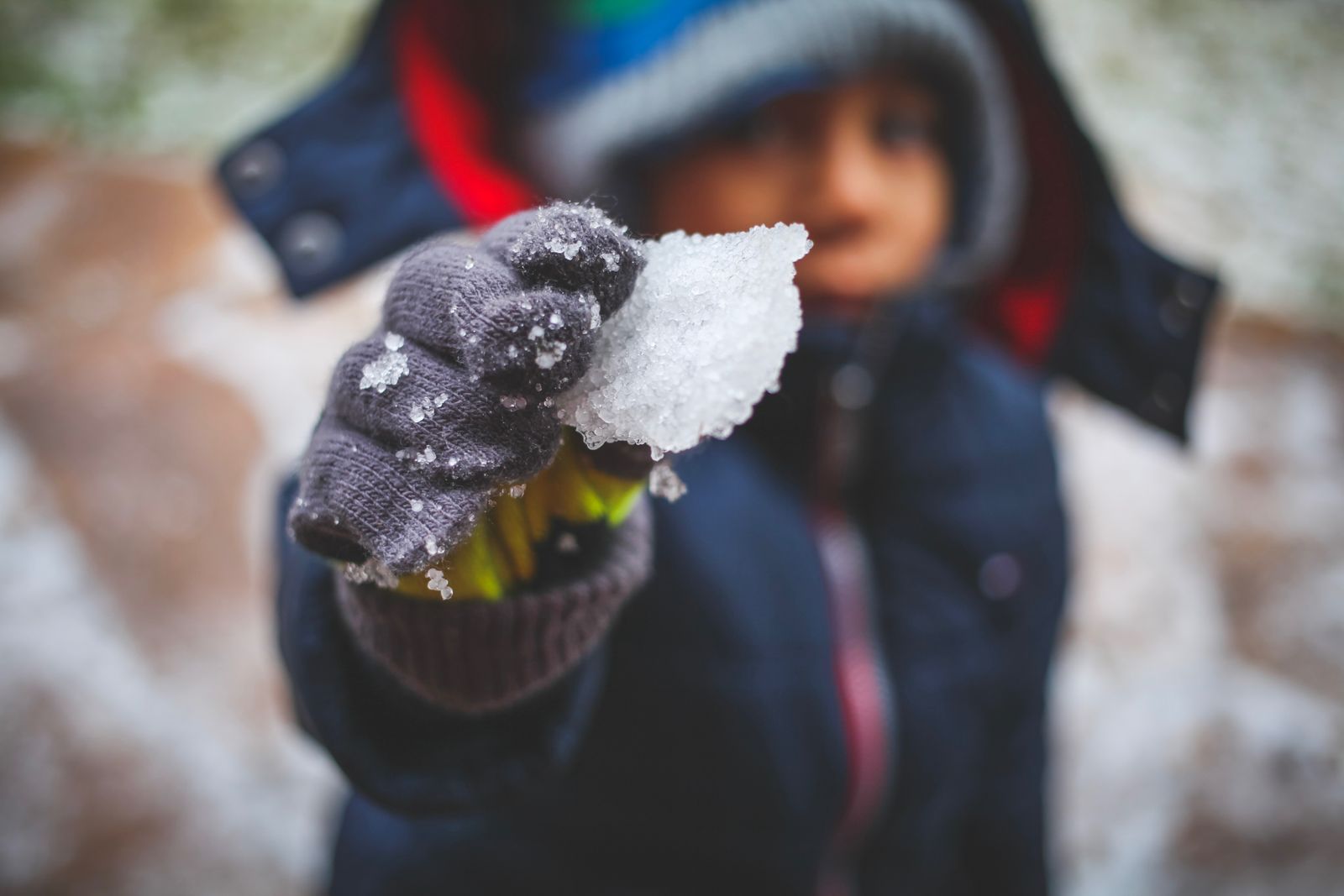
If there is one thing that defines Swedish childhood, it is time outdoors. Rain, shine, or snow, toddlers here spend hours outside every day, at home and at preschool. For families arriving from milder or more indoor cultures, it can be a revelation. Here is how to embrace friluftsliv with a small child.
Friluftsliv translates loosely as open-air living, and it is woven into daily life rather than saved for weekend adventures. The idea is simple: being outdoors is good for children’s health, mood and development, and there is no such thing as bad weather, only unsuitable clothing. Swedish preschools take this seriously, and your toddler will be outside in almost all conditions.
Why Swedes prize the outdoors
Outdoor time gives toddlers space to move, climb, balance and explore, all of which build the gross motor skills that develop rapidly between one and three. Fresh air and daylight support sleep and appetite, and unstructured play in nature encourages independence and problem solving. It is also free, and it tires children out beautifully before the bedtime routine.
The Swedish approach is not about toughening children up. It is about treating the outdoors as an ordinary, daily place to live, play and rest.
Dressing for it: the layer system
The whole philosophy stands or falls on clothing. Get this right and outdoor play is a joy; get it wrong and it is misery. Swedes dress children in layers and adjust through the day.
- Base layer. Wool or wool-blend long underwear (ull) next to the skin keeps a child warm even if damp. It is the single best investment for a Swedish winter.
- Mid layer. A fleece or wool jumper and trousers for insulation, added or removed as needed.
- Outer layer. A waterproof, windproof set. In autumn and spring a rain suit (regnställ) and rubber boots; in winter an insulated overall (overall) plus warm boots, hat, mittens and a neck warmer.
Preschools will give you a clothing list and expect spare sets at all times, since wet and muddy is the normal end state of a good day. Second-hand shops and seasonal sales make kitting out a toddler far cheaper than buying new.
Allemansrätten and where to roam
Sweden’s right of public access, allemansrätten, lets everyone walk, play and explore in nature, including most forests and open land, as long as you show care and do not disturb. For families this means an enormous, free playground is usually close by, whether a city park, a stretch of forest or a lakeside path. With a toddler you do not need to go far. A patch of woodland with sticks, stones and puddles is endlessly fascinating.
Outdoor play through the seasons
- Spring and autumn are made for puddles, mud and falling leaves. A rain suit turns a grey day into an adventure.
- Summer brings long, light evenings, swimming and berry picking, with sun hats and shade for the youngest.
- Winter is for snow play, sledging and the famous outdoor nap. Keep sessions sensible in extreme cold and watch little fingers and cheeks.
Easing into it
If daily outdoor life feels daunting at first, start small. A short walk after breakfast, a stop at the playground on the way home, a few minutes in the garden before dinner. Invest in good wool base layers and a proper rain suit early, and let your child get gloriously muddy. Within a season most families find that the outdoors becomes their favourite part of raising a toddler in Sweden.