The years from one to three are a whirlwind of firsts: first steps, first words, first stubborn “no”. Knowing roughly what to expect helps you enjoy the journey and spot, calmly, if anything needs a closer look. Here is a guide to toddler development and how Sweden keeps an eye on it.
Every child develops at their own pace, and the ages below are gentle guides, not deadlines. Children born early, or those growing up between two languages, may reach some milestones a little later, which is entirely normal. In Sweden, your child’s development is followed for free at the child health centre (BVC), so you are never tracking it alone.
Around 12 to 18 months
This is the stage of getting mobile and making the first real connections with language.
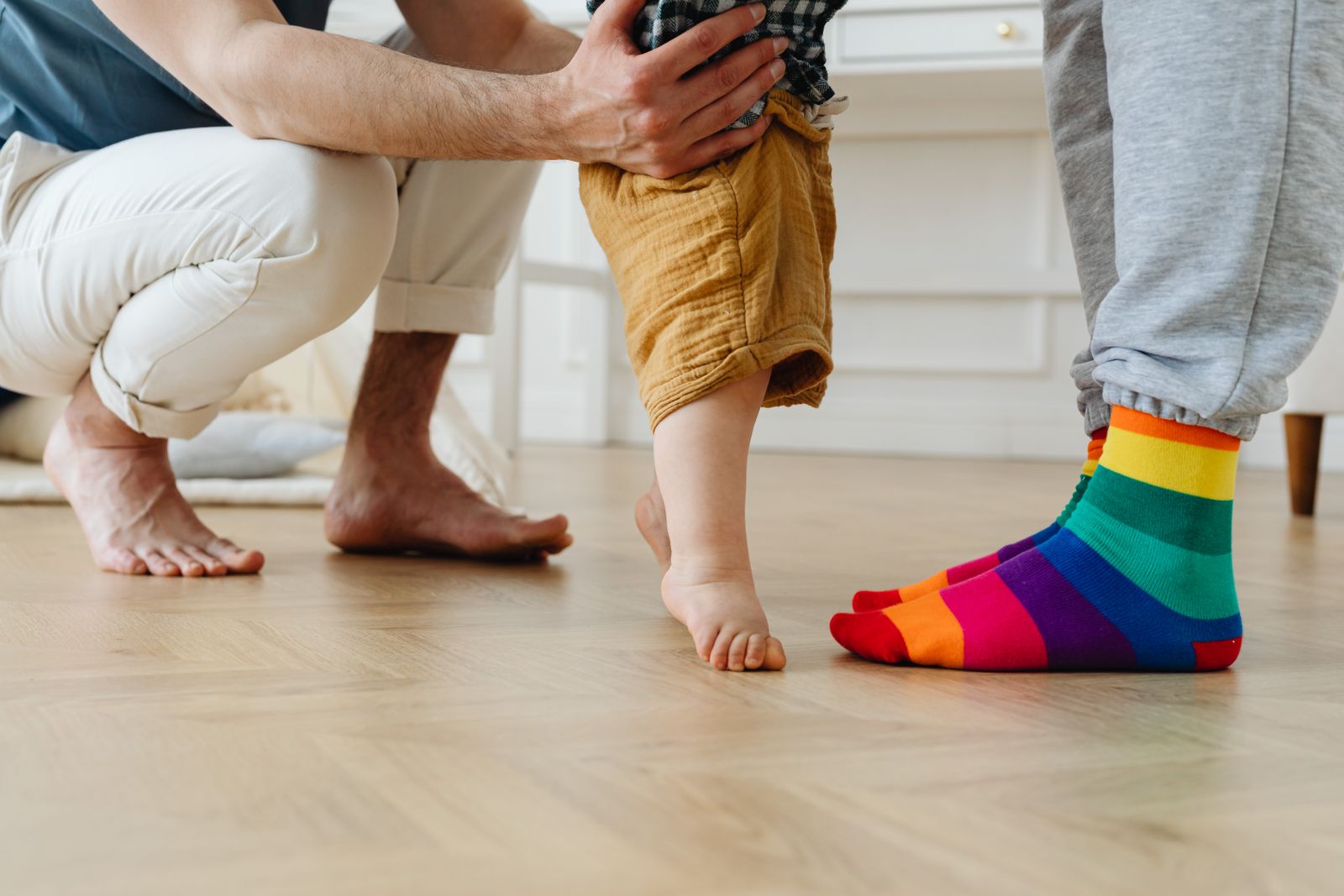
- Movement: pulling to stand, cruising along furniture and, for many, those wobbly first independent steps.
- Hands: picking up small objects with finger and thumb, banging things together, beginning to feed themselves.
- Language: a first word or two, understanding far more than they can say, and pointing to ask and show.
- Social: waving, copying simple actions and enjoying games like peekaboo.
Around 18 to 24 months
Walking becomes confident and language starts to take off.
- Movement: walking well, starting to run, climbing onto low furniture and stairs with help.
- Language: a growing handful of words, often followed by a rapid burst, and beginning to join two words together.
- Play: simple pretend play, such as feeding a doll, and stacking or sorting toys.
- Self: a strong drive to do things independently, with all the frustration that brings.
Around 2 to 3 years
The toddler becomes a little person with opinions, imagination and a fast-growing vocabulary.
| Area | What often emerges |
|---|---|
| Movement | Running, jumping, kicking a ball, climbing with confidence |
| Language | Short sentences, many questions, being understood by familiar adults |
| Thinking | Simple sorting, matching, and following two-step instructions |
| Social | Playing alongside other children, with the first attempts at sharing |
Growing up bilingual
Many families reading this are raising a child in more than one language. This is a gift, not a problem. Bilingual toddlers sometimes mix languages or seem to have a smaller vocabulary in each one early on, but their total language knowledge is on track, and they catch up. Keep speaking your home language richly and let förskola provide Swedish. Children sort the two out remarkably well.
Compare your child with who they were six months ago, not with the toddler next door. Steady progress matters far more than hitting any single milestone on time.
When to mention something at BVC
Trust your instincts. It is worth raising at a BVC visit, or calling 1177, if by around two years your child is not using any words at all, does not respond to their name or to sounds, has lost skills they previously had, or shows little interest in interacting or playing. Early support is gentle and effective, and your child health nurse would far rather you asked. Most of the time you will simply be reassured, and reassurance is worth a great deal in the toddler years.