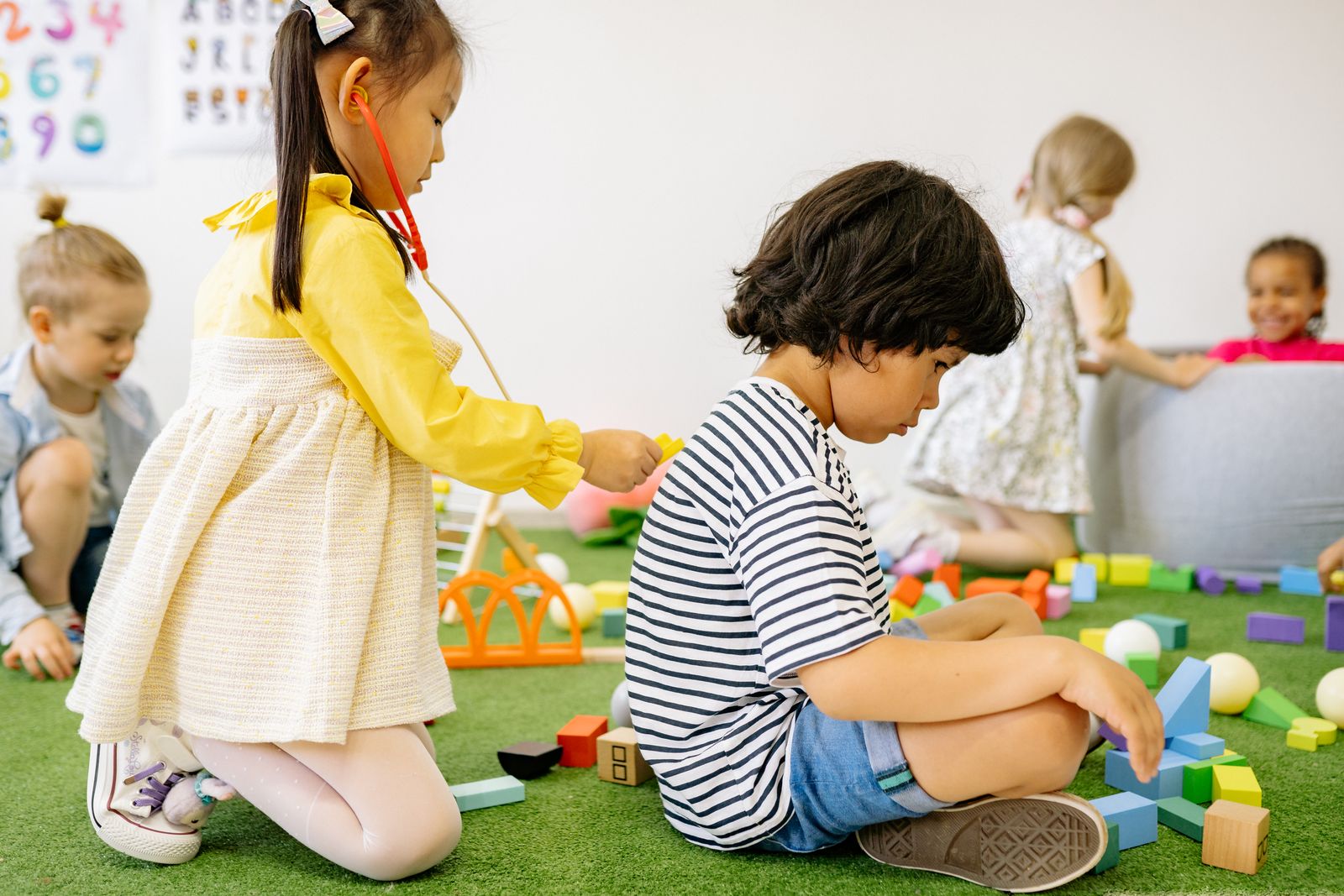
If you are raising a toddler in Sweden, preschool, known as förskola, will probably become a central part of family life. It is affordable, widely available and built around play rather than formal lessons. Here is how the system works and how to find a place for your child.
Swedish förskola is open to children from the age of one until they start school at six. It is run by the municipality (kommun) where you live, although there are also independent and parent cooperative preschools that follow the same national curriculum. Every child is guaranteed a place, and municipalities are required to offer one within a reasonable time after you apply, normally within three to four months.
What förskola is, and what it is not
Förskola is not the same as school. The Swedish National Agency for Education (Skolverket) sets a curriculum that focuses on play, social skills, language and curiosity rather than reading and writing. Days are flexible and built around the rhythm of small children, with plenty of outdoor time, free play, meals and rest. Staff are trained, and group sizes and staff-to-child ratios are regulated.
For many international families the biggest surprise is how much time children spend outdoors, in almost any weather. This is a deliberate part of the philosophy, and you will be expected to send your child in with weatherproof clothing. It helps to embrace it early.
How to apply for a place
You apply through your municipality, usually on its website. The exact process varies between kommuner, but the broad steps are the same.
- Make sure your child is registered. Your child needs a Swedish personal identity number (personnummer) and should be registered as living at your address with the Swedish Tax Agency (Skatteverket).
- Submit an application to your municipality. You can usually apply several months before you need the place, and you may list more than one preschool in order of preference.
- Wait for an offer. The kommun must offer a place within a reasonable time. You can accept, decline, or stay in a queue for a preferred preschool.
- Settle in (inskolning). Most preschools run a settling-in period of one to two weeks where a parent stays with the child at first and then gradually steps back.
What it costs
Förskola fees are capped nationally through a system called maxtaxa, so the price is the same regardless of how many hours your child attends within the fee. The cap is a small percentage of the household income up to a fixed ceiling, and it is lower for the second and third child. The exact figures are set centrally and adjusted over time, so check the current amounts on Skolverket or your municipality’s website before you budget.
From the autumn term of the year a child turns three, every child is also entitled to allmän förskola, a minimum of 525 hours per year free of charge, according to Skolverket. If you are on parental leave or unemployed, your child still has the right to attend at least 15 hours a week.
| Childcare option | Best suited to |
|---|---|
| Förskola (municipal or independent) | Most families wanting full or part-time care from age one |
| Family daycare (pedagogisk omsorg) | Younger toddlers who do better in a small, home-like group |
| Open preschool (öppen förskola) | Parents at home who want drop-in play and company, free of charge |
| Parent cooperative (föräldrakooperativ) | Families who want to be closely involved in running the preschool |
Finding an English-friendly preschool
Most Swedish preschools work mainly in Swedish, which is often a gentle and effective way for a toddler to pick up the language. In the larger cities, Stockholm, Gothenburg and Malmö, you will also find international and bilingual preschools that work partly or wholly in English, though places can be limited and fees at fully private international preschools may sit outside the maxtaxa system.
If you are weighing up the choice, it can help to read our guide to finding English-speaking healthcare for your toddler and our overview of parental leave in Sweden, since the timing of leave and a preschool place often go hand in hand.
A calm start
Starting förskola is a big step for a small child, and the settling-in period exists precisely because it takes time. Keep goodbyes short and warm, send familiar comfort items if the preschool allows it, and trust the staff, who do this with new families every term. Within a few weeks most toddlers settle into the routine and the daily rhythm of Swedish preschool life.