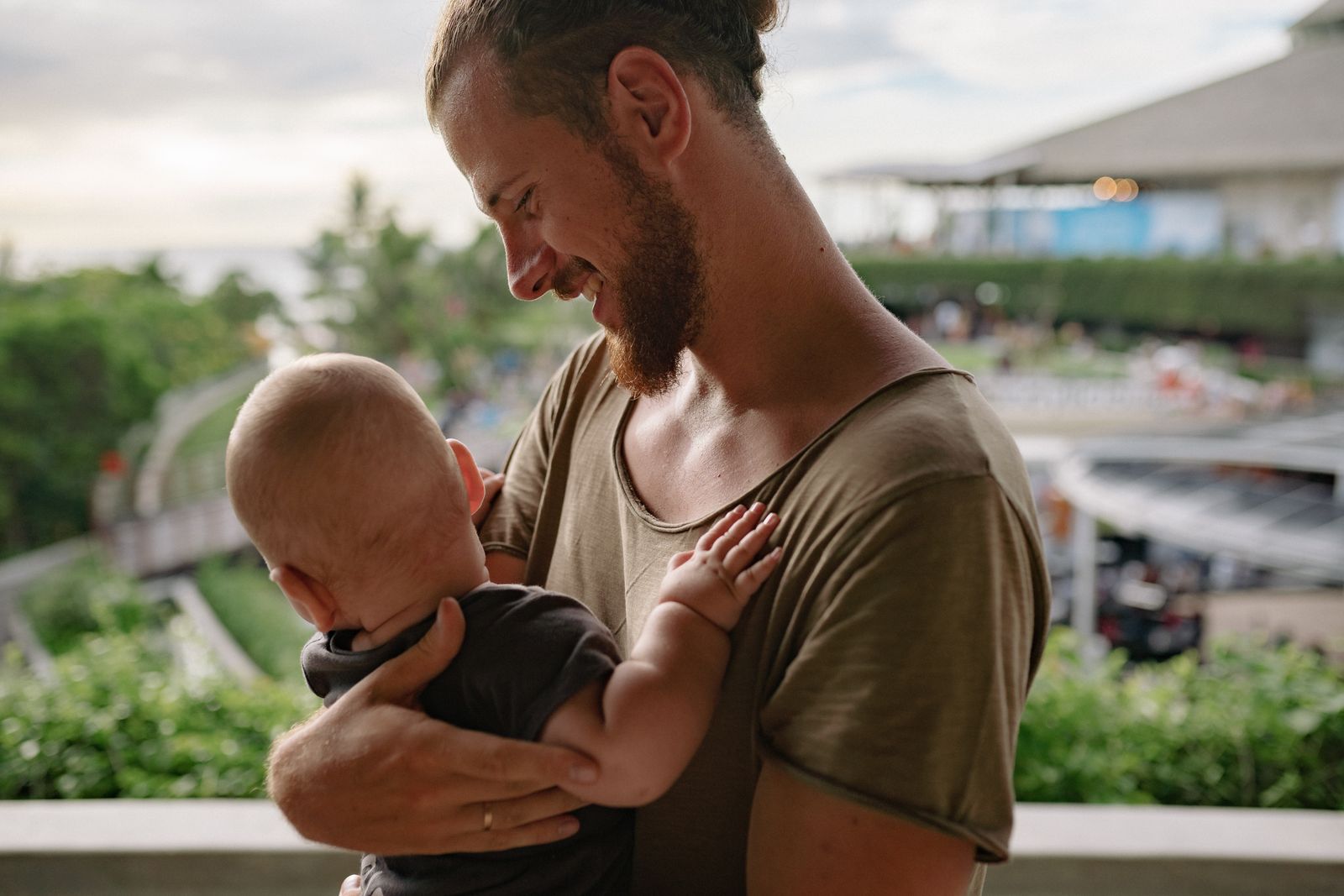
Sweden has one of the most generous parental leave systems in the world, and it shapes the first years of family life here. If you are new to the country, the rules can look complicated at first. This guide explains the essentials in plain English so you can plan your toddler’s early years with confidence.
Parental leave in Sweden has two parts that are easy to confuse. Föräldraledighet is your legal right to be off work to care for your child. Föräldrapenning, or parental benefit, is the money paid by the Swedish Social Insurance Agency (Försäkringskassan) while you are on that leave. You can take leave without taking the benefit, and you do not have to use all your benefit days at once.
How many days you get
According to Försäkringskassan, parents share a total of 480 days of parental benefit per child. Of these, 390 days are paid at the income-based level, calculated on your salary up to a ceiling, and the remaining 90 days are paid at a low flat rate. The benefit is taxable and paid monthly.
Where there are two parents, the 480 days are split equally, 240 each. Of each parent’s share, 90 days are reserved and cannot be transferred to the other parent. This is the part often called the “daddy months”, and it exists to encourage both parents to spend time at home. The rest of the days can be moved between parents as it suits your family.
You can use parental benefit days flexibly, full days or part days, until the child turns twelve, though most days must be used before the child turns four.
Planning the first years
Many families spread leave so that one parent is home for the first stretch and the other takes over later, sometimes overlapping for a short period. A common pattern is for parents to take turns so the child stays home until around the age of one, then starts förskola while the family keeps a reserve of days for holidays, illness and the gradual settling-in period.
You can also work part time and draw partial benefit, which suits families easing back into work. Because the days are flexible, it is worth sitting down early and sketching out a plan together. Försäkringskassan has an English-language section that walks through the options.
Transferring days to someone else
Since the first of July 2024, parents can transfer a limited number of parental benefit days to another trusted adult, such as a grandparent, as reported by Försäkringskassan. The person caring for the child must be approved for the benefit. For families without nearby relatives, or with grandparents abroad, this can be a welcome bit of extra flexibility.
Beyond parental benefit
There are a few related benefits worth knowing about.
- Temporary parental benefit (vab) covers staying home when your child is ill, paid for a set number of days per child each year. Our guide to how vab works and what it pays goes through the rules and the money.
- Child allowance (barnbidrag) is a monthly, untaxed payment for every child, with a supplement for larger families. You do not apply for it, but the automatic payment is conditional: Försäkringskassan pays it if you are the legal custodian of the child and both you and the child are insured in Sweden. If you have just moved here, that insurance status is the part to check.
- Pregnancy benefit and the ten “daddy days” around the birth are separate from the 480 shared days.
How to apply
You apply for parental benefit online through Försäkringskassan, which requires a Swedish e-identification (BankID) and a personnummer for both parent and child. The agency recommends applying in good time, since payment follows a monthly cycle. If your situation is unusual, for example you work in another country or move part way through the leave, contact Försäkringskassan directly, as cross-border rules can affect your entitlement.
The system rewards a little planning. Map out your days early, keep a buffer for the unexpected, and you will find that Sweden gives families real time to be together in those irreplaceable first years.