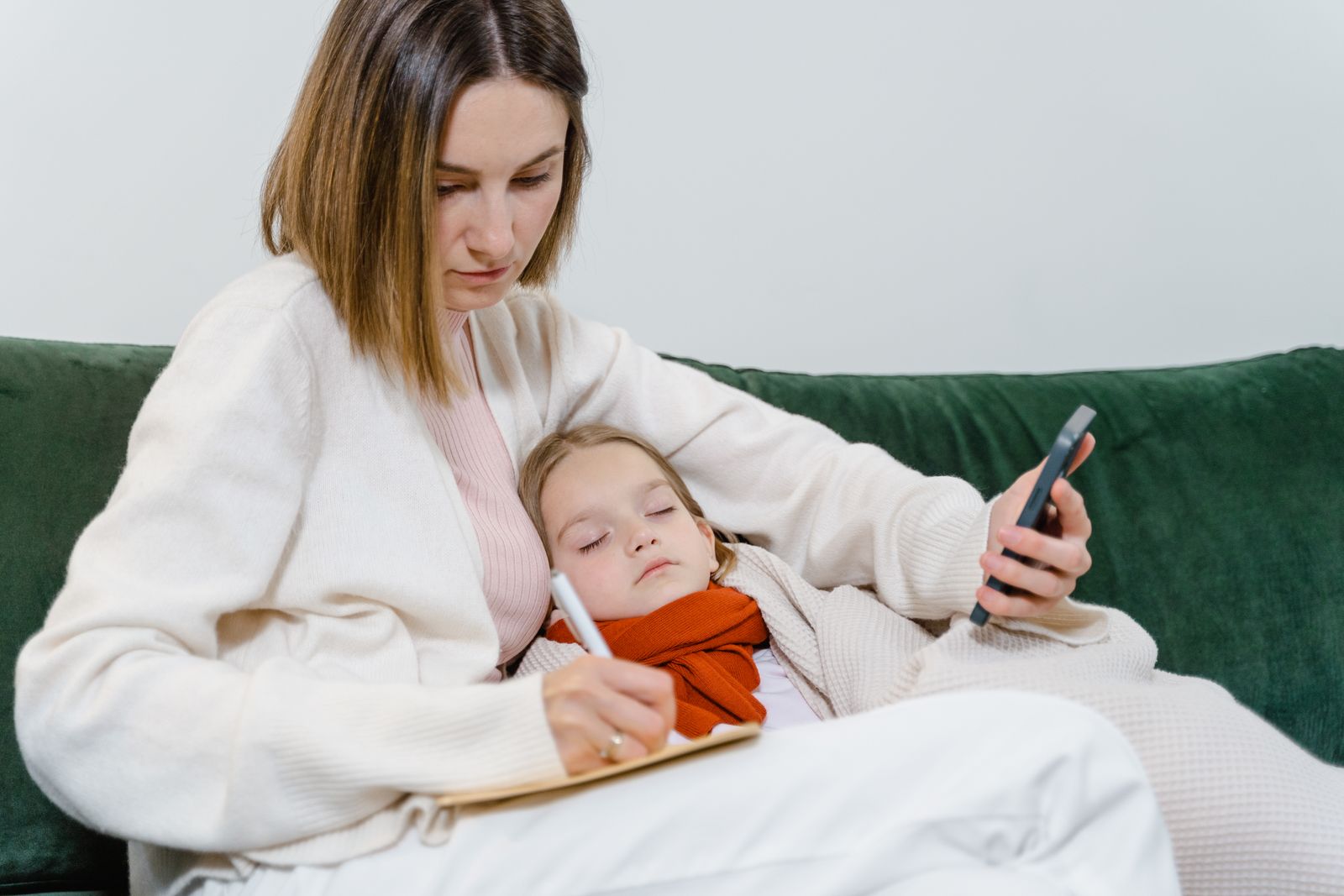
One of the first worries for many international families is simple: what happens if my toddler gets sick and I cannot explain it in Swedish? The good news is that English will take you a long way in Swedish healthcare. Here is how to find care you can communicate in.
Swedish healthcare is public, high quality and heavily subsidised for children, who are generally treated free of charge. The challenge for newcomers is rarely the quality of care and more often knowing where to go and being confident you will be understood. English is widely spoken by Swedish medical staff, but a little preparation makes everything calmer.
Start with 1177
Your first port of call for any non-emergency health question is 1177, the national healthcare guide and advice line. You can read its health information online in English, and you can call the number 1177 to speak to a nurse. The nurses answer in Swedish and English and can advise you on whether to wait, book a visit or seek urgent care. Keep the number saved in your phone before you need it.
Who treats a toddler, and where
Routine toddler care happens in two main places.
- The child health centre (BVC) handles regular development checks and vaccinations up to age six. Read more in our guide to the BVC checkups.
- Your local health centre (vårdcentral) is where you go when your child is ill, for example with a high fever, a rash or an ear infection. You register your family with a vårdcentral, usually one near home.
For genuine emergencies, a children’s accident and emergency department (barnakuten) handles serious illness and injury, and the emergency number across the country is 112. For poison worries, Sweden has a dedicated poison information line you can find through 1177.
Finding English-speaking care
Most staff speak English, but if you want extra reassurance, there are a few practical steps.
- Ask directly. When you book, say that you would prefer the appointment in English. Many clinics will note this and assign a comfortable English speaker.
- Request an interpreter. You have the right to an interpreter in healthcare, free of charge, in many languages. Ask for one when booking if you would rather speak your first language.
- Consider digital care. Several Swedish digital health services let you video call a doctor or nurse, often with English-speaking staff, which can be handy for minor worries with a toddler at home.
- Use international clinics in the big cities. Stockholm, Gothenburg and Malmö have clinics used to serving expat families, though waiting times and costs vary.
You have a legal right to understand and be understood in Swedish healthcare. Asking for an interpreter is normal and welcomed, not an imposition.
Be prepared before you need it
A little groundwork removes most of the stress. Register your family with a vårdcentral soon after you arrive, save 1177 and 112 in your phone, and keep your child’s vaccination records, including any from abroad, in one place. Learn a handful of Swedish words for symptoms, feber for fever, utslag for rash, kräkas for vomiting, so you can describe the basics even before an interpreter joins.
With those pieces in place, a sick toddler in a new country becomes far less daunting. The system is built to look after children, and once you know which door to knock on, you will find it does that well.