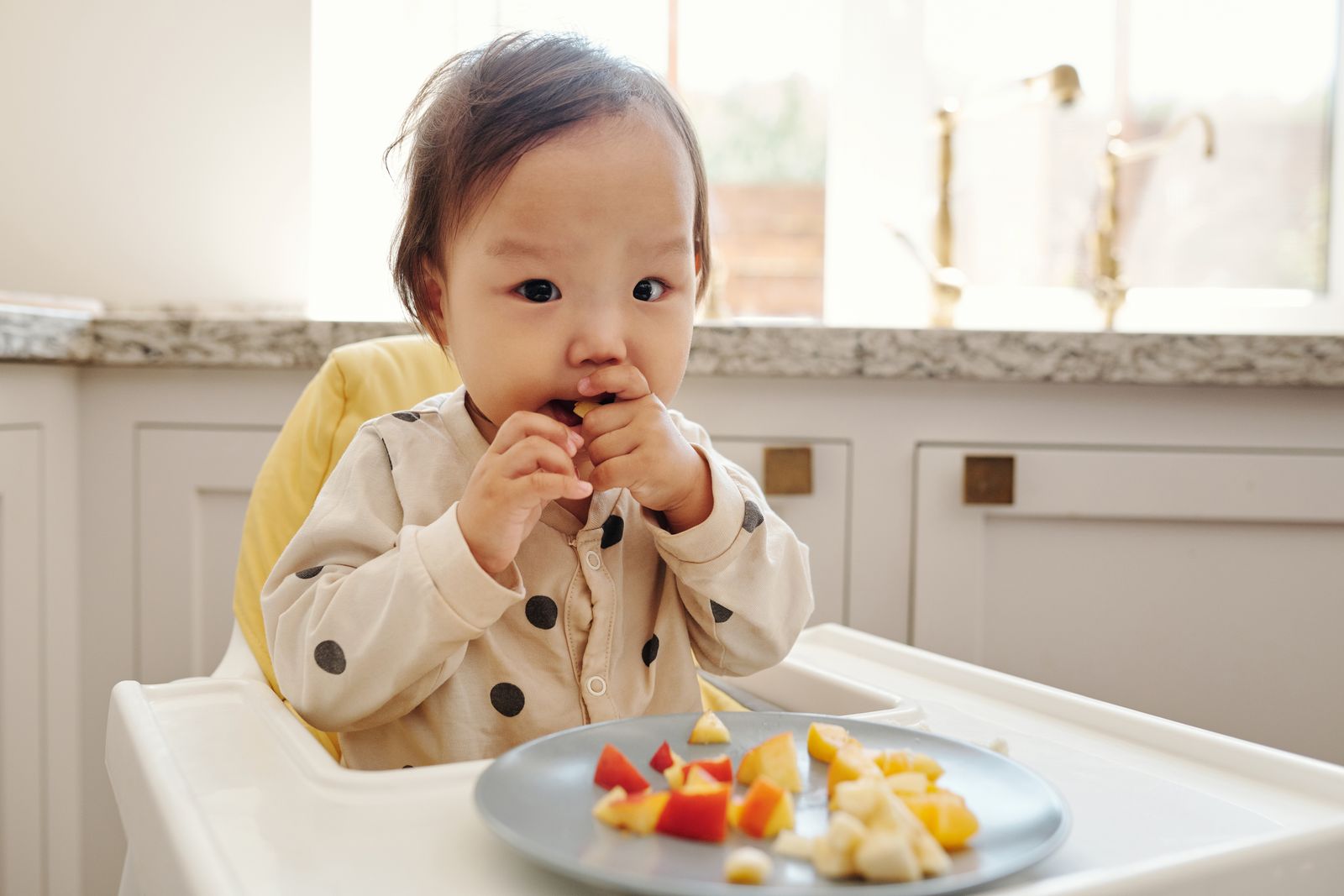
Once your child turns one, mealtimes change. Your toddler can largely eat what the rest of the family eats, which makes life simpler but raises new questions about portions, fussiness and a few Swedish habits worth knowing. Here is a calm, practical guide to feeding a toddler in Sweden.
The headline advice from the Swedish Food Agency (Livsmedelsverket) is reassuringly simple: from the age of one, a child can generally eat the same food as the rest of the family. You no longer need separate purées or special baby meals. Instead the focus shifts to variety, regular meals and a relaxed atmosphere at the table.
The one supplement that matters: vitamin D
There is one clear recommendation that newcomers often miss. Livsmedelsverket advises that all children under the age of two are given vitamin D drops every day, equal to ten micrograms, which is four hundred international units. This is because Sweden has long, dark winters with little sunlight. You can buy the drops at any pharmacy (apotek), and your BVC nurse will remind you about them.
What a toddler’s plate looks like
Aim for variety across the week rather than a perfect plate at every meal. A good rhythm is three meals and two or three small snacks (mellanmål) a day, which keeps energy steady in a small stomach.
| Offer often | Go easy on |
|---|---|
| Vegetables, fruit and berries in many forms | Added salt, which little kidneys do not need |
| Wholegrain bread, porridge, potato, pasta and rice | Sweets, sugary drinks and frequent treats |
| Beans, lentils, fish, eggs and meat for protein and iron | Whole nuts and hard, round foods that can choke |
| Dairy or fortified alternatives, and water to drink | Juice as an everyday drink rather than an occasional one |
The Keyhole symbol (Nyckelhålet) on Swedish packaging is a quick guide to healthier choices, marking foods with less sugar and salt and more fibre. It is a handy shortcut when you are learning the supermarket.
Swedish habits you will meet
A couple of food customs surprise many international families. Fredagsmys, the cosy Friday treat night, often involves snacks in front of a film, and lördagsgodis, Saturday sweets, is a widespread tradition of saving sweets for one day a week. Many parents find the once-a-week approach a useful way to keep treats in proportion. At förskola, your child will be served cooked lunches and snacks, often quite varied, so home meals only need to cover the rest of the day.
Living with a fussy eater
Picky eating is a normal stage, not a failure. Toddlers are learning to assert themselves, and food is an easy place to do it. A few principles take the pressure off.
- Decide what and when to offer; let your child decide whether and how much to eat.
- Keep offering rejected foods without fuss. It can take many tries before a new food is accepted.
- Eat together when you can, since toddlers copy what they see.
- Avoid turning meals into a negotiation or using dessert as a reward.
Your job is to provide good food in a calm setting. Your child’s job is to decide how much of it to eat. Holding that line removes most mealtime battles.
When to seek advice
If your child is growing well and has energy to play, occasional fussiness is rarely a concern. Raise it at a BVC visit if you notice poor weight gain, very limited variety over a long period, or signs of an allergy, and call 1177 for guidance on anything urgent. Most of the time, a relaxed table and a daily vitamin D drop are all your Swedish toddler needs.